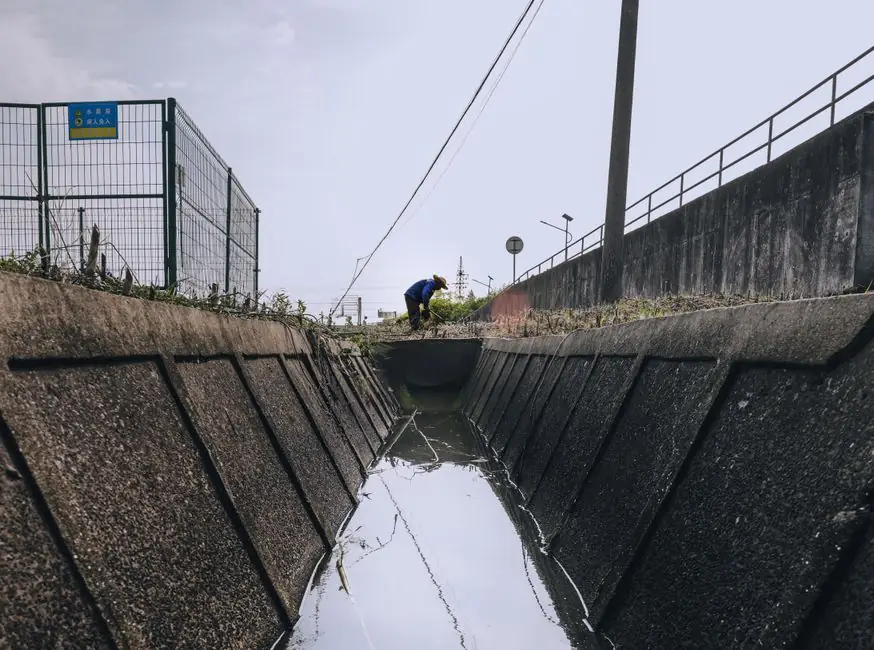
To avoid sewer line problems during rainy seasons, homeowners in Coconut Creek need to take proactive measures, including regular maintenance and inspections. The following sections will outline common issues, prevention strategies, and maintenance tips specific to the rainy season.
How to avoid sewer line problems during rainy seasons is critical for homeowners in areas like Coconut Creek, where heavy rainfall can overwhelm drainage systems.
Understanding sewer line problems during rainy seasons
Rainy seasons can lead to various sewer line issues, primarily due to increased water flow and potential blockages. When the soil becomes saturated, it can exert pressure on sewer lines, leading to cracks or breaks in the pipes. Additionally, debris and sediment can wash into the sewer system, causing clogs.
Common sewer line problems in Coconut Creek
Homeowners in Coconut Creek often face specific sewer line problems during heavy rain. The most common include:
- Clogs: Leaves, branches, and other debris can obstruct sewer lines.
- Backups: Increased water flow can lead to sewer backups, causing water to enter homes.
- Cracks or breaks: Saturated soil can lead to pressure that cracks or breaks pipes.
- Tree root intrusion: Roots may seek moisture and invade sewer lines, leading to blockages.
Understanding these issues helps in recognizing early signs of trouble. Homeowners should keep an eye out for slow drains, unusual odors, or gurgling sounds from toilets.
Preventing sewer line issues during rain in Coconut Creek
Preventing sewer line issues during rain involves several proactive strategies:
- Regular inspections: Schedule routine sewer line inspection coconut creek fl to identify potential problems before the rainy season.
- Clean gutters and downspouts: Ensure that gutters and downspouts direct water away from the foundation and sewer lines.
- Maintain landscaping: Trim trees and shrubs to prevent root intrusion into sewer lines.
- Install a backwater valve: This device can prevent sewage from backing up into your home during heavy rain.
Implementing these measures can significantly reduce the risk of sewer line problems during the rainy season.
Rainy season sewer line maintenance in Coconut Creek
Regular maintenance is essential for keeping sewer lines functioning properly during the rainy season. Here are some key maintenance tasks:
- Hydro jetting: This service can clear out any buildup in the pipes, ensuring smooth water flow.
- Routine cleaning: Regular sewer line cleaning coconut creek fl can prevent clogs from forming.
- Check for leaks: Inspect for any signs of leaks or cracks in the sewer lines.
- Monitor drainage systems: Ensure that drainage systems are functioning properly and not clogged.
Engaging in these maintenance practices can help homeowners avoid costly repairs and disruptions during heavy rain.
What to watch out for during heavy rain
During heavy rain, homeowners should be vigilant for signs of sewer line problems. Look for:
- Water pooling in the yard or around foundation areas.
- Slow drains or gurgling sounds in sinks and toilets.
- Unpleasant odors emanating from drains.
- Water backing up in drains or toilets.
If any of these signs occur, it's crucial to address them promptly to prevent further damage.
When to call a professional
Homeowners should call a professional if they notice persistent issues like frequent backups or slow drainage. Regular maintenance and inspections can help catch problems early, but if you experience significant issues, contacting emergency sewer services coconut creek fl is advisable.
Frequently Asked Questions
How do rainy seasons affect sewer lines? Rainy seasons can overwhelm sewer systems, leading to clogs, backups, and potential damage to the pipes due to increased pressure from saturated soil.
What can I do to protect my sewer line during heavy rain? You can protect your sewer line by maintaining your landscaping, cleaning gutters, and scheduling regular sewer inspections.
When should I call for sewer line services during the rain? Call for sewer line services if you notice slow drains, backups, or unusual odors, especially after heavy rainfall.
How often should I inspect my sewer line? It's recommended to inspect your sewer line at least once a year, especially before the rainy season, to catch any potential issues.
Can I prevent tree roots from invading my sewer line? While you can't completely prevent it, regular maintenance and root barriers can reduce the likelihood of tree root intrusion.